Хичээл: Ин.язык в профессиональной сфере
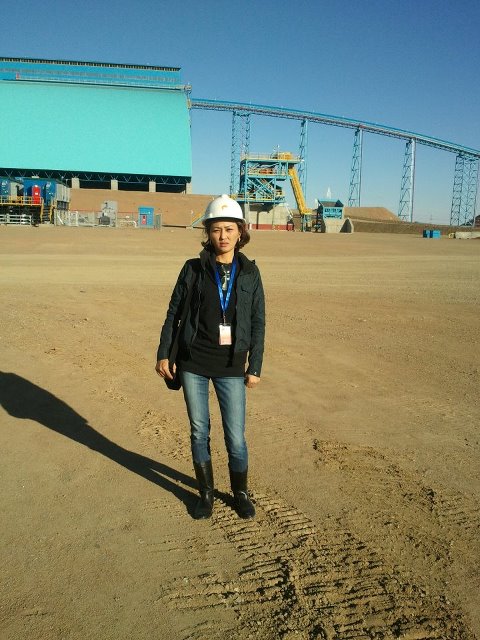
How was the Oyu Tolgoi deposit formed?
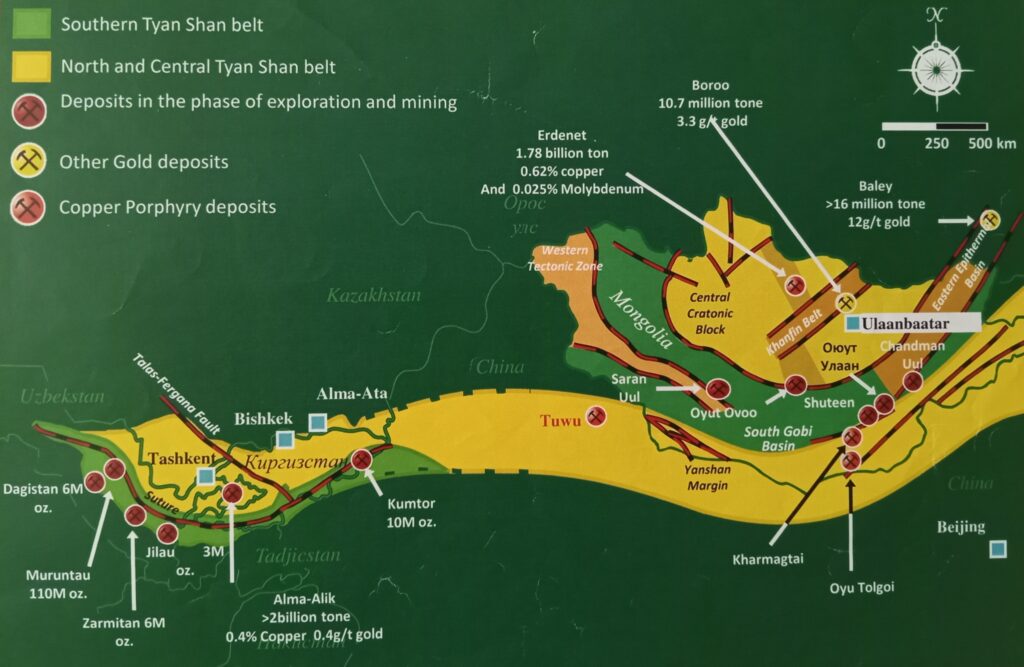
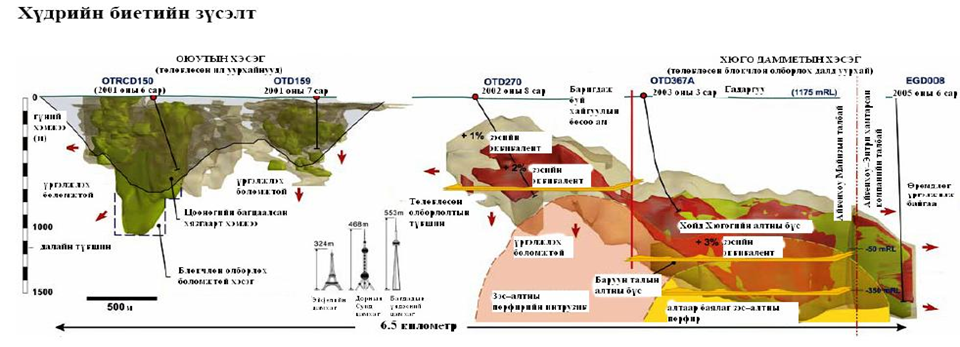
After many years of study, I have studied and studied how deposits are formed. When considering the structure of some deposits, they are formed from meteorite fragments. On the one hand, there are deposits that were formed when a meteorite fell on Earth in large numbers. On the other hand, it can be understood as underground minerals that were scattered through cracks caused by earthquakes. I talked to the geologist of the deposit about where the Oyu Tolgoi deposit originated many years ago when I visited the Oyu Tolgoi deposit. Scientists believe that the Oyu Tolgoi deposit, located in the Khanbogd soum of Umnugovi aimag, was formed 5-7 thousand years ago. The geologist of the deposit explained the subsurface structure of the deposit by showing a picture. After many hours of discussion, I came to the conclusion that the main factor that formed the Oyu Tolgoi deposit was an earthquake. The picture was created after detailed research, including which fault in the earthquake the Oyu Tolgoi deposit was formed on, which country the fault crosses, and what deposits it contains. Just as a world map shows which country is which, the map shows which deposits our country has in a certain part of Mongolia, especially the Tan Shan seismic fault. Well, for research purposes, there are two major seismic faults that have crossed our country. The Erdenet copper deposit was discovered in the seismic fault that came from the north. However, the Oyu Tolgoi deposit was discovered in the seismic fault that passes through Umnugovi aimag. The fault that passes through the Oyu Tolgoi deposit is called the Tyan Shan Belt. Later, I looked it up on the internet and found that there is a mountain called Tian Shan in China. It can be understood that the volcano of this mountain has been actively erupting and a fault has been formed deep in the earth. Hot volcanic lava has flowed into the cracks formed deep in the earth due to the Tian Shan earthquake. It is understood that the hot melt that rose from the depths of the earth and flowed along the volcanic fissures mixed with the minerals there and formed Oyu Tolgoi. The Tyan Shan Belt is a multi-country fault in the earth and passes through the southern part of Mongolia. It is here that the main deposits found in our country are seen in a row. For example, the deposits of Chandman-Uul, Oyut Ulaan, Kharmagtai, Oyu Tolgoi, and Tsagaan Suvarga were found along this fault. The fault continued further through Chinese territory and approached Kyrgyzstan, Uzbekistan, and Tajikistan. No deposits other than Tuwu were found on the fault that crossed Chinese territory. However, several deposits were formed nearby on the fault that approached Kyrgyzstan, Uzbekistan, and Tajikistan. For example, the deposits of Kumtor, Alma-Alik, Zarmitan, Muruntau, and Dagestan were found. In other words, it can be understood that one part of the deposits along the Tian Shan rift is located near Oyu Tolgoi in Mongolia, and the other part is located near Kumtor in Kyrgyzstan. In fact, there is no geologist who does not know about the Kumtor deposit. And there is probably no geologist who does not know about the Oyu Tolgoi deposit in Mongolia. So it is surprising that both deposits were discovered in the Tian Shan seismic fault zone.
Who discovered the Oyu Tolgoi deposit?
The first person to set foot on the Oyu Tolgoi deposit was the Russian geologist Yu.Ya. Petrovich. He visited Oyu Tolgoi in 1957 at the request of the local indigenous people and concluded that additional exploration was needed there. However, this did not work at that time. The story of the later visit to the Oyu Tolgoi deposit is very interesting. When a satellite map of the territory of Mongolia was taken from space, it was said that the southern Gobi region had a magnetic structure with a correctly rotated structure. The discovery of magnetic fields in the southern Gobi region pointed the way to the fact that it has significant reserves. Based on this, the Mongolian geologist D. Garamjav went to Oyu Tolgoi in 1983 to study the southern Gobi region. He concluded that there were copper deposits there and that additional exploration was needed in this deposit, just like Yu.Ya. Petrovich, but he remained on paper. It is said that there is copper in a place with gold. If you look closely, you can see that the copper products have a greenish tint. Thinking about it, it might be turquoise. In that sense, I can’t help but think that our ancestors named the place where the copper is located as Oyu Tolgoi. Thus, although the Russian explorer Yu.Ya. Petrovich and the Mongolian geologist D. Garamjav repeatedly concluded that detailed exploration of Oyu Tolgoi was necessary, the Mongolians did not touch this deposit until the early 1990s. In general, it can be understood that no significant exploration was carried out until 2000. The need for copper is growing year by year, and the reserves to meet the demand are decreasing. The reserves of the deposits that meet a significant percentage of the world’s copper needs are nearing exhaustion. Therefore, the American Magma-Cooper Company, in collaboration with the Erdenet Plant, established the Erdenet-Maagma Company in 1995 to attempt to discover copper deposits in Mongolia. In doing so, two joint exploration teams of Mongolian, Russian, and American geologists were formed to search for copper in the northern, southern, and western regions of our country. However, BHP Billiton purchased the shares of Magmaa-Cooper, a partner of the Erdenet plant, in 1996. Thus, the partner of the Erdenet plant was changed and became BHP Billiton. However, the company proposed to the Erdenet plant that it would pay half of the exploration costs. Of course, at that time, when the economy was transitioning from a centrally planned economy to a market economy, this was not possible for our side. Therefore, the exploration work was immediately stopped and the joint team of Mongolian, Russian, and American geologists was disbanded. Shortly after that, in 1996, BHP Billiton established its subsidiary BHP Billiton Minerals in our country and began to explore independently. Thus, it obtained an exploration license from the then Department of Minerals and Petroleum and began to study the geological structure and resources of Oyu Tolgoi. So, on September 15, 1996, the company decided to conduct exploration in the Khanbogd soum of Umnugovi aimag. It is said that geologist D. Garamjav had a great influence on making this decision. D. concluded that additional exploration was needed at Oyu Tolgoi.Garamjav joined the exploration team of BHP Billiton Minerals and joined them in their search for copper. In 1997, BHP Billiton Minerals received an exploration license for Oyu Tolgoi from the relevant authorities, and in April of the same year, exploration work was officially started. Dennis, Garamjav, and Munkhbat, among others, discovered a profile copper system in Oyut, Umnugovi Province. The company had been exploring the Oyu Tolgoi deposit for almost three years, but the parent company decided that it would be more profitable to buy the discovered deposit instead of spending a lot of money to open the deposit. Therefore, the results of the 23-hole drilling were presented to three companies from England, America, and Canada, and discussions were held to transfer the Oyu Tolgoi license, but two of them refused, and the Canadian Ivanhoe Mines Company agreed alone. Thus, on 2000.05.05, BHP Billiton transferred its exploration licenses for the Oyu Tolgoi deposit to the former Ivanhoe Mines, now Turquoise Hill Company. The company determined in July 2011 that Oyu Tolgoi has three groups of deposits. In other words, Oyu Tolgoi has three groups of deposits: Heruga, Hugo Dummett, and Yumdum Oyu, with proven reserves of 31 million tons of copper and 987 thousand tons of gold. Of the three groups of deposits, Oyu Tolgoi has two underground deposits and one open deposit.
Oyu Tolgoi open-pit and underground mines
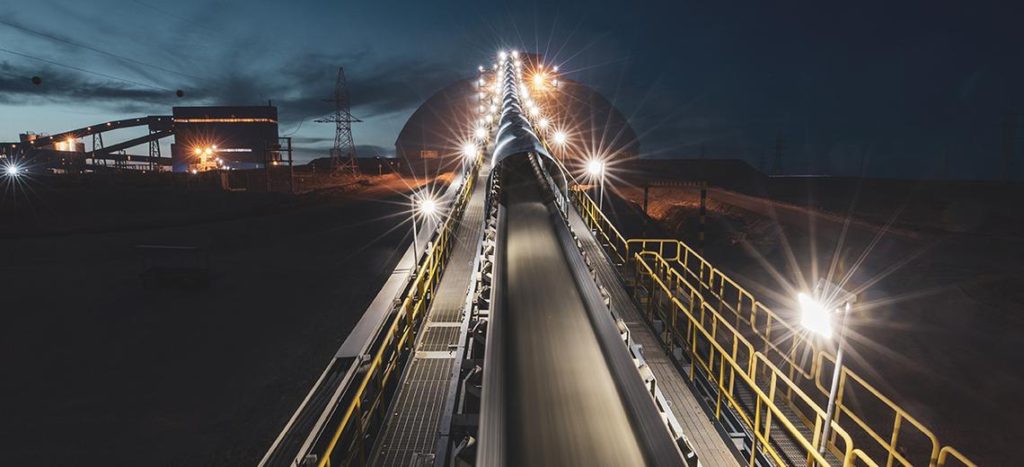
Open pit mining: Since then, the company has been exploring the Oyu Tolgoi deposit alone. The company initially tried shallow drilling, but it failed, so it later drilled hundreds of holes to a depth of 500 meters to find reserves. Despite spending a lot of money on this, Ivanhoe Mines was forced to leave Mongolia because it did not find anything significant. However, as a last resort, drilling in hole number 105 discovered high-grade copper ore. Subsequently, two more holes were drilled near that hole, which again revealed high-grade copper ore. These three holes, which became the stars of salvation, are called the “Golden Triangle”. In other words, the Golden Triangle is the Oyu Tolgoi open pit. A few years ago, while I was there on business, I was told by the local press officer Ganzorig that it was the copper ore of the Golden Triangle. In the fine gray stone, gold and copper scattered like stars in the sky are visible in small pieces. In fact, this is called the Oyu Tolgoi copper ore. However, the continuation of the Heruga and Hugo Dummett underground mines has been discovered in the Javkhlant and Shivee Tolgoi fields in the Entry Gold ownership, in addition to the Ivanhoe Mines exploration area. In other words, the mineralization of the Oyu Tolgoi underground mine has been discovered in the adjacent area. Heruga is a Sanskrit word meaning peace. When you go to the Oyu Tolgoi deposit in the Khanbogd soum of Umnugovi aimag, there is the Demcho monastery, which is called the energy center, nearby. Since the monks and nuns of the Demcho monastery called the area Heruga, it cannot be denied that the place where the deposit was later discovered was named after this Sanskrit word. Oyu Tolgoi is named after the man who discovered the other underground mine, the Hugo Dummett deposit. That man is Hugo T. Dummett. Hugo Dummett is a renowned exploration geologist who played a role in the discovery of the Ekati diamond mine in northwestern Canada. Dummett is described as the brains, ideas and energy behind the Ekati discovery, which led to the creation of a new diamond mining industry in Canada. Dummett graduated from the University of the Witwatersrand in 1964 with a Bachelor of Science degree and joined the University of Queensland in 1970. In 1977, Dummett signed a contract with Superior Oil to explore for diamonds in North America. Superior formed a joint venture with Falconbridge and hired geologist Charles Pipki to work on the diamond exploration project. Between 1979 and 1982, the partners discovered at least 20 kimberlite pipes, none of which yielded commercial diamonds. The Falconbridge-Superior joint venture then funded a research program by South African geochemist John Gurney to investigate the potential mineralization of the diamond pipes. In 1982, Gurney identified the pyrope garnet of the G10 kimberlite as a potential source of diamonds.Using this new technology, the company discovered a promising pipeline in eastern Botswana, but the land was later transferred to De Beers, who then opened a commercial diamond mine there. Mobil Oil subsequently acquired Superior and ended its exploration program in 1987. Dummett was involved in continuing the exploration. Dummett joined BHP Minerals in 1989, and under Dummett’s leadership, BHP developed five pipelines of commercial diamonds. BHP began permitting work on the Ekati diamond mine in 1995, received final approval in 1997, and opened the mine in late 1998. In 2009, the Ekati mine’s annual sales accounted for about 5% of the world’s diamond value. In 2001, Dummett joined Ivanhoe Mines as a vice president, where he became involved in the discovery of large porphyry gold and copper deposits at the Oyu Tolgoi deposit.
Oyu Tolgoi Investment Agreement
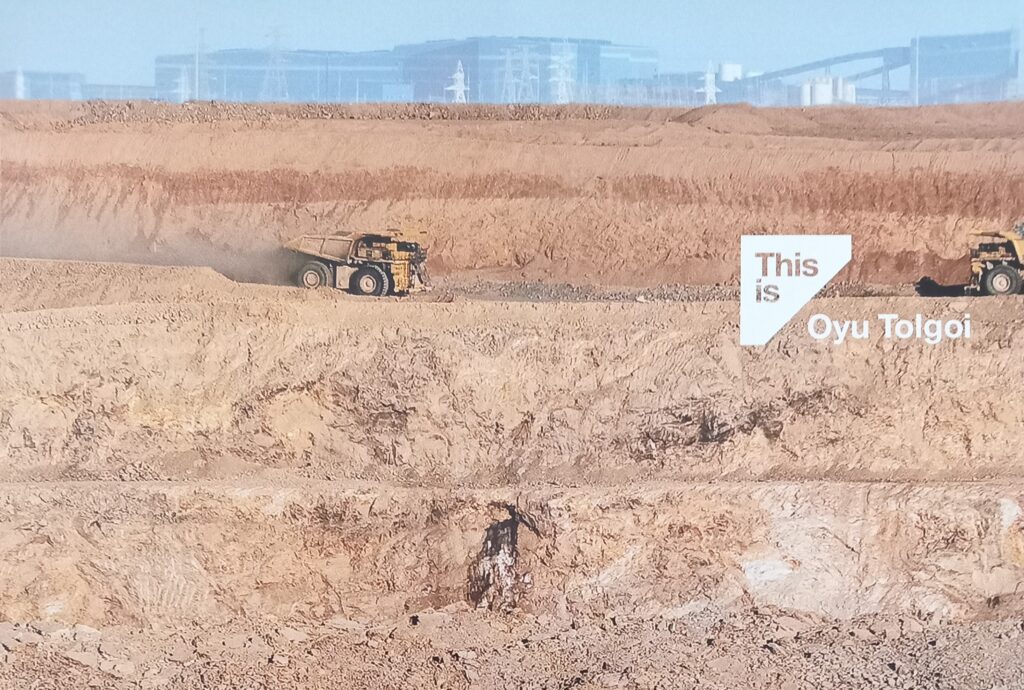
It became clear in October 2006 that Ivanhoe Mines would not invest in Oyu Tolgoi alone. Rio Tinto agreed to provide 20 percent of the investment in the Oyu Tolgoi project being implemented by Ivanhoe Mines. Therefore, Rio Tinto, together with Ivanhoe Mines, has been sitting at the negotiating table with the Mongolian government on the issue of using Oyu Tolgoi minerals. The first stage of the negotiations was concluded on January 30, 2009, and it was agreed that the Mongolian government would own 34 percent of the Oyu Tolgoi deposit, and Ivanhoe Mines and Rio Tinto would jointly own the remaining 66 percent. The second stage of negotiations with the government, when Ivanhoe Mines and Rio Tinto executives came to our country, began on February 10, 2009. This discussed the use of the Oyu Tolgoi deposit, investment, and tax issues. It is said that during the negotiations, the investor side approached from the position of not paying 68 percent tax on windfall profits. However, since the Mongolian side approached from the position of receiving 68 percent tax, the two sides disagreed and decided to resolve the issue at the next round of negotiations. It was clear from the beginning that the Oyu Tolgoi investment agreement would be concluded with Ivanhoe Mines and Rio Tinto. This is because they were the only ones who submitted their proposals to invest in the deposit to our country. It is clear that each party group in the Parliament discussed the issue separately. However, the MPRP group in the Parliament on July 8, 2009 discussed the draft Oyu Tolgoi agreement. The MPRP group in the Parliament supported the provision that the state should own 34 percent of the Oyu Tolgoi deposit. At the same time, it supported the basic version of the Oyu Tolgoi project submitted by the Government. The MPRP group members agreed to make a decision on the draft Oyu Tolgoi agreement by the resolution of the Standing Committee on Economics of the Parliament and submit it to the plenary session of the Parliament. They also considered it appropriate to transfer the right to organize other issues within the framework of the relevant law to the Government. After such lengthy discussions , the Government of Mongolia signed the Oyu Tolgoi investment agreement with Ivanhoe Mines Mongolia Inc., Ivanhoe Mines Limited, and Rio Tinto International Holdings Limited on October 6, 2009. If the provisions specified in Article 15.7 of the agreement are not fulfilled within six months, the investment agreement will be invalid. Article 15.7 of the investment agreement included provisions such as submitting the technical and economic feasibility study for the use of Oyu Tolgoi to the Mineral Resources Council of Mongolia for approval. The investors were able to get the Mineral Resources Professional Council to approve the feasibility study for the exploitation of Oyu Tolgoi ahead of schedule. Once the relevant organization has accepted the feasibility study for the exploitation of Oyu Tolgoi, the investment agreement is officially confirmed. The government also officially announced that the investment agreement came into effect on April 6, 2010. The government had agreed to receive an advance of $250 million from its partners before signing the Oyu Tolgoi investment agreement. In other words, it agreed to receive an advance of the profits it would receive later. However, this money soon turned into a loan. The first tranche of $100 million from the investor was received immediately after the investment agreement was signed, in 2009, and the next tranche of $50 million was received after the agreement came into effect, in 2010. The remaining $100 million was received on June 5, 2011. In this way, no one knows that the investment agreement was used to obtain a loan in the form of an advance from investors and create a stable tax environment for Oyu Tolgoi.then CEO of Oyu Tolgoi: Although the investment agreement was signed, it was said that there was no need to hope to receive large quantities of products from this deposit in the next three years. In any case, the long-discussed investment agreement was concluded under the above conditions. However, few people know which mineral fields the investment agreement was signed for. The investment agreement was signed for 5 mineral fields spanning Khanbogd and Bayanovoo soums in Umnugovi aimag. Specifically, investment agreements were signed for Manhat with number 6708A, Oyu Tolgoi with number 6709A, Khokh-khad with number 6710A, Shivee-Tolgoi with number 3148A, and Javkhlant with number 3150A in Bayan-Ovoo soum. Article 1.11 of the Oyu Tolgoi investment agreement states that Oyu Tolgoi has the right to mine, process, and produce minerals in the special license area No. 6709. The reserves of this area were submitted to the Unified State Reserve Register. However, the information that the remaining reserves of special licenses No. 6708, 6710, 3148, and 3150 were submitted to the Unified State Reserve Register was not reflected in the investment agreement at that time. However, the agreement stated that the reserves of special exploitation licenses No. 6708 and 6710 should be submitted to the relevant authorities for approval within 3 years from the date of entry into force of the agreement. Special licenses No. 3148 and 3150 were owned by Entree Gold at that time. These exploration licenses were transferred to Oyu Tolgoi Company and the Government was required to convert them into exploitation licenses before their expiration, as stipulated in Article 15.7.8 of the investment agreement. This means that the exploration licenses that were in the possession of another company were transferred to Oyu Tolgoi Company and then put into exploitation. However, the words and sentences that these fields were submitted to the relevant authorities for approval were not found in the Oyu Tolgoi investment agreement at that time. This raises the question of why the reserves of field 6709 were mentioned and the others were not mentioned. To this question, former Minister of Finance S. Bayartsogt answered: The five fields with which the investment agreement was signed have been explored and the currently determined usable reserves are 31 million tons of copper. This means that out of the 45 million tons of copper reserves of the Oyu Tolgoi deposit, 31 million tons were included in the feasibility study for extraction, and 14 million tons of reserves were left for extraction using advanced techniques and technologies. Then, Dr. and Professor Ch. Khurts, who served as the Minister of Geology and Mining of Mongolia from 1976 to 1980: Only the reserves of field 6709 with special licenses were accepted and approved by a professional organization. It was explained that the reserves in the mineral license areas 6708, 6710, 3148, and 3150 have not been finally determined. However, former Minister of Mineral Resources and Energy D. Zorigt, who was involved in the signing of the Oyu Tolgoi investment agreement, said: An investment agreement was signed with Oyu Tolgoi Company on five exploitation licenses. Although the total reserves of these five fields were initially estimated at 45 million tons, the Mineral Resources Professional Council confirmed that 31 million tons were exploitable. They explained that there were no reserves left in the Oyu Tolgoi deposit. Despite this explanation, the reserves of the 6709 exploitation license area were registered. What do you understand by the Oyu Tolgoi investment agreement that other fields can be explored and their reserves determined after they are used? Is this a violation of the law by granting exploitation licenses to areas whose reserves have not been finally determined? Or is it unclear whether the reserves of mineral licenses Nos. 6708, 6710, 3148, and 3150 were determined and suppressed due to someone else’s interests?
Oyu Tolgoi open pit mining operations
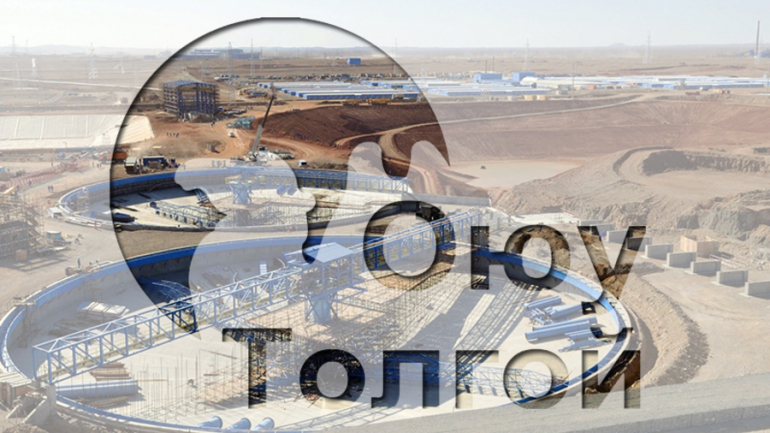
Oyu Tolgoi Open Pit Production: The Oyu Tolgoi open pit was commissioned in 2011, while the concentrator was commissioned and opened in 2012. The export of concentrate from the open pit was first started on July 9, 2013. Since then, ore has been mined, enriched, and exported from the open pit. The company produces 150,000 – 180,000 tonnes of copper in concentrate per year, and gold production is 400,000 – 550,000 ounces. Oyu Tolgoi Underground Mining: With an investment of US$7 billion in the Hugo Dummett underground mine, production at the Oyu Tolgoi underground mine will begin on March 13, 2023. When production is at full capacity by 2030, it will become the world’s fourth largest copper mine, one of the largest copper players in the international market, and will triple the contribution to the Mongolian budget. Oyu Tolgoi’s open-pit and underground mines are expected to produce an average of 500,000 tons of copper per year between 2028 and 2036. The underground mine ore reserves have an average copper content of 1.52 percent, more than three times the content of the open-pit ore reserves. They will also have a gold content of 0.31 grams per tonne. U. Khurelsukh, the Prime Minister of Mongolia, said: “Oyu Tolgoi will be the fourth largest copper mine in the world, producing enough copper to produce 17,000 electric cars per day at its peak.” Rio Tinto Group CEO Jacob Stausholm said the copper extracted from the Oyu Tolgoi deposit is Mongolia’s contribution to green development. The copper concentrate produced here is a vital input for wind turbines, electric vehicles and renewable energy infrastructure around the world. With the start of underground mining today, Oyu Tolgoi is set to take its first step towards becoming one of the world’s most important copper producers. When Oyu Tolgoi is fully operational, it will supply enough copper to produce more than six million electric cars per year. With copper from world-class advanced technology mines, we will balance carbon emissions and sequestration in the future, expand Rio Tinto’s copper business and create benefits for Mongolia. As a result of Rio Tinto Group becoming a direct investor in Oyu Tolgoi, Erdenes emphasized that it will work more closely with Oyu Tolgoi to create the true value of Oyu Tolgoi and thus continue to contribute to the development and progress of Mongolia.
Economic benefits by the end of 2024:
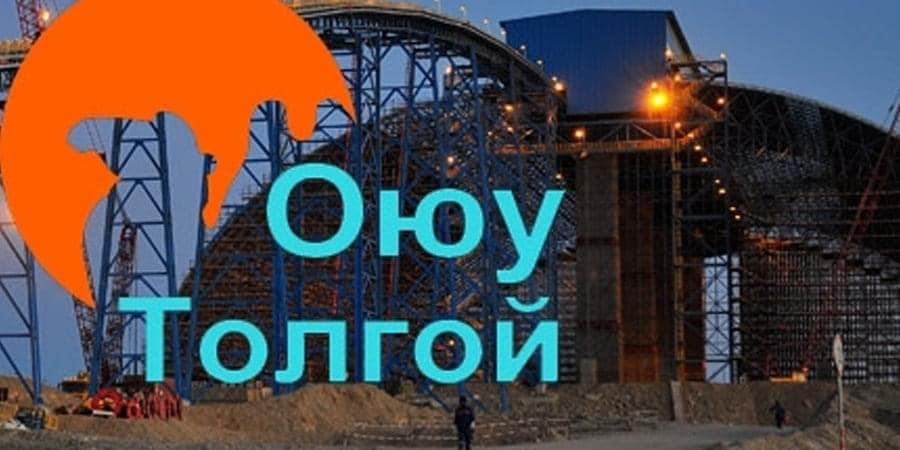
Rio Tinto has invested a total of $16.8 billion in Oyu Tolgoi by 2023.
Since 2010, 12.1 trillion tugriks in taxes have been collected in the state budget.
Total domestic cash flow since 2010 has reached 47.4 trillion tugriks. As of Q4 2024, over 1,044 suppliers are providing products and services to Oyu Tolgoi.
As of 2014-2024, the Oyu Tolgoi project accounted for about 17 percent of our country’s total export earnings, 20 percent of mineral exports, and 44 percent of foreign exchange reserves. The total benefits to our country from this project in 2024-2051 will be 11.9 billion US dollars.
30 of Mongolia’s top 100 companies are suppliers to Oyu Tolgoi, and Oyu Tolgoi has consistently topped the list of top companies contributing to the country’s development in recent years.
For every US dollar invested in Oyu Tolgoi, it contributes US$1.43 to the economy.
1/3 of investment-related GDP growth is dependent on gold.
Oyu Tolgoi employs over 20,000 people, 97 percent of whom are Mongolians, 25 percent of whom are from Umnugovi province. 23 percent of the total workforce is female, and the plan is to increase this number to 50 percent in the next 10 years.
Дээрх материалд оюутолгойн судалгааны доорх матeриалыг ашиглав. Монгол хэлээр нь бүрэн эхээр нь мөн уншиж болно.
Оюутолгойн орд хэрхэн үүссэн бэ
Олон жил судалж, орд хэрхэн бүрэлддэг вэ гэдгийг тунгаав. Зарим ордын бүтцийг авч үзэхэд солирын хэлтэрхийгээс бүрэлдсэн байдаг. Нэг талаас дэлхий дээр солир асар ихээрээ унах үед бүрэлдсэн орд гэж бий. Нөгөө талаас газар хөдлөхөд үссэн ан цаваар тарсан газрын гүний эрдэс гэж ойлгож болох юм. Оюутолгойн орд хаанаас үүссэн талаар олон жилийн өмнө оюутолгойн ордод зочлох үеэрээ ордын геологичтой ярилцсан юм. Өмнөговь аймгийн Ханбогд сумын нутагт орших Оюутолгойн орд 5-7 мянган жилийн тэртээ бүрэлдэн тогтсон гэж эрдэмтэд үзжээ. Ордын геологич ордын доод бүтцийн талаар зураг харуулж байгаад тайлбарлаж өгөв. Олон цаг ярилцсаны эцэст оюутолгойн ордыг бүрэлдүүлсэн гол хүчин зүйл нь газар хөдлөлт байжээ гэдэг дүгнэлтэд хүрэв. Оюутолгойн орд газар хөдөдлөлийн ямар хагаралд бүрэлдсэн, уг хагарал аль улсыг дамнаж, ямар орд байдаг гэхчлэн нарийн судалгаа хийгдэж бүтсэн зураг аж. Дэлхийн газрын зураг дээр хаана ямар улс байдгийг харуулдаг шиг, уг газрын зураг дээр монголын тодорхой хэсгийн, тэр дундаа Тань Шаны газар хөдлөлийн хагаралд манай улсын ямар орд байдгийг харуулсан гэх үү дээ. Яахав судалгааны зориулалтаар зах зухаас нь дурдахад, манай улсыг дайрсан хоёр том газар хөдлөлийн хагарал байдаг аж. Хойноос орж ирсэн газар хөдлөлтийн хагаралд Эрдэнэтийн зэсийн ордыг илрүүлж байжээ. Харин Өмнөговь аймгийг дайран өнгөрөх газар хөдлөлтийн хагаралд Оюутолгойн ордыг илрүүлсэн байна. Оюутолгойн ордыг дайран өнгөрөх уг хагаралийг Tyan Shan Belt гэж нэрлэдэг байна. Хожим сонирхож интернетээс олж уншихад хятадад Тянь Шан гэж уул байдаг бололтой юм. Уг уулын галт уул идэвхижин дэлбэрч, газрын гүнд хагарал үүссэн гэж ойлгож болохоор. Тянь Шаны газар хөдлөлтийн улмаас газрын гүнд үүссэн хагарал руу галт уулын халуун лав цутган урсч л дээ. Газрын гүнээс оргилон гарч, галт уулын хагарал дагуу урссан халуун хайлмаг, тэндэхийн эрдэстэй холилдон бүрэлдэж, оюутолойг бүтээжээ гэж ойлгогдоно. Tyan Shan Belt газрын гүнд хэдэн улс дамнасан хагарал байх бөгөөд Монгол Улсын өмнөд хэсгийг дайран өнгөрдөг байх юм. Энд л манай улсын илрээд байгаа гол гол ордууд эгнээтэй байгаа харагдана. Тухайлбал, Чандман-Уул, Оюут улаан, Хармагтай, Оюутолгой, Цагаан суварга гэсэн ордууд уг хагарал дагуу илэрчээ. Уг хагарал цааш хятададын нутгаар үргэлжилж, Киргизстан, Үзбекистан, Тажикистан руу дөхөж очсон байх юм. Хятадын нутгаар дайрах хагаралд tuwu-гаас өөр орд харагдсангүй. Харин Киргизстан, Үзбекистан, Тажикистан руу дөхсөн хагаралд хэд хэдэн орд ойролцоо бүрэлджээ. Тухайлбал, Кумтор, Алма-Алик, Зармитан, Мурунтау, Дагистан зэрэг ордууд илэрчээ. Өөрөөр хэлбэл, Тянь Шаны хагарал дагуух ордуудын нэг хэсэг нь Монголын Оюутолгойн ойролцоо, нөгөө хэсэг нь Киргизстаны Кумторын ойролцоо байдаг гэж ойлгож болохоор байгаа юм. Ер нь Кумторын ордын талаар мэдэхгүй геологич гэж байхгүй. Бас Монголын Оюутолгойн ордын талаар мэдэхгүй геологич гэж байхгүй биз. Тэгвэл уг хоёр орд хоёулаа Тянь Шаны газар хөдлөлийн хагаралийн бүсэд илэрсэн байгаа нь нэгийг бодогдуулах биз ээ.
Оюутолгойн ордыг хэн нээсэн бэ
Оюутолгойн ордыг судлахаар анх хөл тавьсан хүн бол оросын геологич Ю.Я.Петрович юм. Тэрбээр нутгийн уугуул иргэдийн хүсэлтээр 1957 онд Оюутолгойд очиж зэсийн илрэл байгааг тогтоосон учраас энд нэмэлт хайгуул хийх хэрэгтэй гэсэн дүгнэлт гаргаад нутаг буцаж байжээ. Гэвч энэ нь тухайн үед ажил хэрэг болоогүй аж. Хожим оюутолгойн ордод очиход түүх нь их сонирхолтой юм. Монгол улсын нутаг дэвсгэрт саятын машстабын газрын зураг сансраас авахад өмнийн говьд нар зөв эргэсэн бүтэцтэй соронзон илэрсэн тухай ярьж байх юм. Өмнийн говьд соронзон илэрсэн нь ихээхэн нөөцтэй гэх зам зааж өгч л дээ. Үүнд үндэслэж өмнийн говийг судлахаар монголын геологич Д.Гарамжав 1983 онд Оюутолгойд очсон байна. Тэнд зэсийн илрэл байгааг тогтоож энэ ордод нэмэлт хайгуул хийх хэрэгтэй гэсэн дүгнэлтийг Ю.Я.Петровичийн нэгэн адил гаргасан ч, мөн л цаасан дээрээ үлджээ. Оюутай газар зэс бий гэлцдэг. Ер нь сайн ажиглавал зэс бүтээгдэхүүн дээр ногоон өнгө тунарсан байж харагддаг шүү дээ. Хар ухаанаар бодоход тэр нь оюу юм болов уу даа. Тэр ч утгаараа бидний өвөг дээдэс зэс байгаа газрыг нь замчилж Оюутолгой хэмээн нэрийдэж үлдээсэн биз гэж өөрийн эрхгүй бодогддог юм. Ийнхүү оросын хайгуулч Ю.Я.Петрович, монголын геологич Д.Гарамжав Оюутолгойд нарийвчилсан хайгуул хийх хэрэгтэй гэсэн дүгнэлт хэдэнтээ гаргасан ч, монголчууд 1990 оны эхэн үе хүртэл энэ ордод огт гар хүрээгүй юм. Ер нь 2000 он хүртэл дорвитой хайгуул хийгээгүй гэж ойлгож болно. Зэсийн хэрэгцээ жилээс жилд өсөн нэмэгдэж, эрэлтийг хангах нөөц багасч буй. Дэлхийн зэсийн хэрэгцээний багагүй хувийг хангадаг ордуудын нөөц дуусах шатандаа орж байгаа юм. Тиймээс Америкийн Магма-Коопер компани Эрдэнэт үйлдвэртэй хамтран 1995 онд Эрдэнэт-Маагма компанийг байгуулж монголд зэсийн орд илрүүлэх оролдлого хийж байжээ. Ингэхдээ Монгол, Орос, Америкийн геологичдын хамтарсан хайгуулын хоёр баг гаргаж манай улсын хойд, өмнөд, баруун хязгаарт зэсийн эрэл хийсэн байна. Гэвч Эрдэнэт үйлдвэрийн хамтрагч Магмаа-Коопер компанийн хувьцааг Би Эйч Пи Биллитон компани 1996 онд худалдан авчээ. Ингээд Эрдэнэт үйлдвэрийн хамтрагч нь солигдож Би Эйч Пи Биллитон болов. Гэвч тус компани хайгуулын зардлын тал хувийг гарга гэсэн саналыг Эрдэнэт үйлдвэрийнхэнд тавьсан гэнэ. Төвлөрсөн төлөвлөгөөт эдийн засгаас зах зээлийн эдийн засагт шилжиж байсан тэр үед үүнийг манай тал гаргах бололцоогүй байсан нь мэдээж. Тиймээс энэ даруй хайгуулын ажил зогсч монгол, орос, америкийн геологичдийн хамтарсан баг тарсан гэдэг. Үүний дараахан буюу 1996 онд Би Эйч Пи Биллитон компани Би Эйч Пи Биллитон минералс охин компаниа манай улсад байгуулж, бие даан хайгуул хийхээр болжээ. Ингээд тухайн үеийн Ашигт малтмал, газрын тосны газраас хайгуулын лиценз авч улмаар оюутолгойн геологийн бүтэц болон нөөцийг судалж эхэлжээ. Ингээд 1996.09.15-ны өдөр Өмнөговь аймгийн Ханбогд сумын нутагт тус компани хайгуул хийхээр тогтсон гэх. Ийм шийдвэр гаргахад геологич Д.Гарамжавын нөлөө их байсан гэж ярьдаг. Оюутолгойд нэмэлт хайгуул хийх хэрэгтэй гэсэн дүгнэлт гаргасан Д.Гарамжав Би Эйч Пи Биллитон минералс компанийн хайгуулын багт багтаж, тэдэнтэй хамтран зэсийн эрэлд мордсон учраас тэр юм. Ингээд Би Эйч Пи Биллитон минералс компани 1997 онд холбогдох газраас Оюутолгойн хайгуулын тусгай зөвшөөрлийг авч, мөн оны дөрөвдүгээр сард эрэл хайгуулын ажлыг албан ёсоор эхлүүлж, Деннис, Гарамжав, Мөнхбат зэрэг судлаачид Өмнөговь аймгийн Оюутад профирын зэсийн систем байгааг тогтоожээ. Тус компани Оюутолгойн ордод гурван жил шахуу хайгуул хийсэн ч, толгой компани нь орд нээх гэж их зардал гаргахын оронд илрүүлсэн орд худалдаж авах нь ашигтай гэж үзжээ. Тиймээс ч, 23 цооногийн өрөмдлөгийн дүнг Англи, Америк, Канадын гурван компанид танилцуулж, Оюутолгойн тусгай зөвшөөрлийг шилжүүлэхээр ярилцсан ч хоёр нь татгалзаж, Канадын Айвенхоу майнз компани дангаараа зөвшөөрчээ. Ингэж л 2000.05.05-ны өдөр Би Эйч Пи Биллитон компани оюутолгойн ордын хайгуулын тусгай зөвшөөрлүүдээ хуучны Айвенхоу майнз, одоогийн Туркойз хилл компани руу шилжүүлсэн түүхтэй юм. Тус компани 2011 оны долоодугаар сард оюутолгой гурван бүлэг ордтой болохыг тогтоосон юм. Өөрөөр хэлбэл, оюутолгой нь 31 сая тонн зэс, 987 мянган тонн алтны батлагдсан нөөц бүхий Херуга, Хюго Даммет, Өмнөд оюу гэсэн гурван бүлэг ордтой болохыг тогтоосон юм. Оюутолгой нь гурван бүлэг ордтойгоос хоёр нь далд, нэг ил орд юм.
Оюутолгойн ил ба далд уурхай
Ил уурхай: Энэ цагаас хойш тус компани оюутолгойн ордод дангаараа хайгуул хийсэн байдаг. Тус компани эхэндээ өнгөц өрөмдлөг хийсэн нь амжилтгүй болсон учир нөөц илрүүлэхийн тулд хожим 500 метрийн гүнд хэдэн зуун цооног өрөмджээ. Үүнд их хэмжээний хөрөнгө зарцуулсан ч, дорвитой зүйл олоогүй учир Айвенхоу майнз компани монголыг орхихоос өөр аргагүйд хүрч байсан гэдэг. Гэхдээ эцсийн найдвар болгож 105 дугаар цооногт өрөмдлөг хийхэд зэсийн өндөр агуулга бүхий хүдэр илрүүлжээ. Улмаар тэрхүү цооногийн ойролцоо дахин хоёр цооног өрөмдөхөд зэсийн өндөр агуулга бүхий хүдэр дахин илэрчээ. Авралын од болсон энэ гурван цооногийг “Алтан гурвалжин”гэж нэрийддэг. Өөрөөр хэлбэл, алтан гурвалжин оюутолгойн ил уурхай юм. Хэдэн жилийн өмнө тэнд ажлаар явж байхад алтан гурвалжингийн зэсийн хүдэр хэмээн тэндэхийн хэвлэлийн төлөөлөгч Ганзориг газраас нэг зүйл авч өглөө. Сайтар ажтал саарал өнгийн чулуун дотор тэнгэрийн од шиг тарсан алт, зэс ширхэг ширхэгээрээ гялтагнан харагдах. Чухамдаа энийг оюутолгойн зэсийн хүдэр гэж нэрлээд байгаа юм. Харин Херуга болон Хюго дамметийн далд уурхайн үргэлжлэлийг Айвенхоу майнз компанийн хайгуулын талбайгаас гадна, Энтри голдын эзэмшил дэх Жавхлант болон Шивээ толгойн талбайгаас илрүүлсэн байдаг. Өөрөөр хэлбэл, Оюутолгойн далд уурхайн хүдэржилтийг зэргэлдээх талбайгаас илрүүлсэн байдаг юм. Херуга нь амар амгалан гэсэн утгатай санскрит гаралтай үг юм. Өмнөговь аймгийн Ханбогд сумын нутагт Оуютолгойн ордод очиход ойролцоо нь энергийн төв гэгдэх Дэмчогийн хийд бий. Демчогийн хийдийн лам, хуваргууд тэр хавийг Херуга гэж нэрлэдэг байснаас, хожим орд илэрсэн газрыг ингэж санскрит үгээр нэрлэсэн байхыг үгүйсгэх аргагүй юм. Оюутолгойн нөгөө далд уурхай болох Хюго Дамметын ордыг нээсэн хүнийх нь нэрээр алдаршуулсан түүхтэй. Энэ эрхэмийн алдар нь Хюго Т.Даммeт /Hugo Dummett/ юм. Хюго Даммет нь канадын баруун хойд хэсэгт орших Экати алмазын уурхайг нээхэд үүрэг гүйцэтгэснээрээ алдартай хайгуулын геологич юм. Дамметтийг Экатигийн нээлтийн цаад тархи, санаа, эрч хүч гэж тодорхойлсон нь Канадын алмаз олборлох шинэ салбарыг бий болгоход хүргэжээ. Даммет 1964 онд Витватерсрандын их сургуульд шинжлэх ухааны бакалаврын зэрэг хамгаалсан бол, 1970 онд Квинсландын их сургуульд элсэн оржээ. 1977 онд Даммет Superior Oil компанитай гэрээ байгуулж, Хойд Америкт алмазны хайгуул хийхэд оролцжээ. Superior нь Falconbridge компанитай хамтарсан компани байгуулж, геологич Чарльз Пипкийг алмазны хайгуулын төсөлд хөлсөлжээ. 1979-1982 оны хооронд түншүүд нь дор хаяж 20 кимберлит хоолой нээсэн боловч тэдгээрийн нэг нь ч арилжааны алмаз ашиглах боломжгүй байжээ. Дараа нь Falconbridge-Superior хамтарсан компани нь Өмнөд Африкийн геохимич Жон Гурнигийн судалгааны хөтөлбөрийг санхүүжүүлж, алмазан хоолойн боломжит ашигт малтмалын судалгааг хийжээ. 1982 онд Гурни G10 кимберлит пироп анар нь алмазыг илрүүлэхэд чухал ач холбогдолтой болохыг тогтоожээ. Энэхүү шинэ технологийг ашиглан тус компани Ботсванагийн зүүн хэсэгт ирээдүйтэй хоолой нээсэн боловч Де Беерст газрыг шилжүүлэн өгснөөр дараа нь тэнд арилжааны алмаазны уурхай нээсэн байна. Үүний дараа Mobil Oil Superior-ийг худалдан авч 1987 онд хайгуулын хөтөлбөрөө дуусгасан аж. Даммет хайгуулын ажлыг үргэлжлүүлэхэд оролцож байсан нэгэн юм. Даммет 1989 онд BHP Minerals-д шинэ ажилд орж, Дамметийн удирдлаган дор BHP таван хоолойд арилжааны алмаазын нөөцийг боловсруулсан байна. BHP 1995 онд Экати алмазны уурхайн зөвшөөрлийн ажлыг эхлүүлсэн бол, 1997 онд эцсийн зөвшөөрлийг авч, 1998 оны сүүлээр уурхайгаа нээжээ. 2009 онд Экати /EKATI/-ийн уурхайн жилийн борлуулалт дэлхийн очир эрдэнийн үнийн дүнгийн 5 орчим хувийг эзэлж байсан байна. 2001 онд Даммет Айвенхоу Майнз компанид дэд ерөнхийлөгчөөр ажиллах болсноор Оюутолгойн ордын порфирийн алт, зэсийн томоохон ордыг илрүүлэхэд оролцож эхэлжээ.
Оюутолгойн хөрөнгө оруулалтын гэрээ
Айвенхоу майнз компани дангаараа оюу толгойд хөрөнгө оруулалт хийхгүй нь 2006 оны аравдугаар сард тодорхой боллоо. Рио Тинто компани Айвенхоу Майнз компанийн хэрэгжүүлж буй оюутолгой төслийн хөрөнгө оруулалтын 20 хувийг гаргахаар болсон юм. Тиймээс Рио Тинто компани Айвенхоу майнзтай хамтран оюутолгойн ашигт малтмалыг ашиглах асуудлаар Монголын Засгийн газартай хэлэлцээрийн ширээний ард сууж ирсэн. Хэлэлцээрийн эхний шат 2009 оны нэгдүгээр сарын 30-ны өдөр өндөрлөсөн бөгөөд үүгээр оюутолгойн ордын 34 хувийг Монголын Засгийн газар, үлдэх 66 хувийг Айвенхоу майнз болон Рио Тинто хамтран эзэмшихээр тохиролцсон байдаг. Айвенхоу майнз болон Рио Тинтогийн удирдлагууд манай улсад ирж Засгийн газартай хийх хэлэлцээрийн хоёр дахь шат 2009 оны хоёрдугаар сарын 10-нд эхэлж байлаа. Үүгээр оюутолгойн ордыг ашиглах, хөрөнгө оруулалт хийх болон татварын асуудал яригдсан байдаг. Хэлэлцээрийн үеэр хөрөнгө оруулагч тал гэнэтийн ашгийн 68 хувийн татвар төлөхгүй гэсэн байр сууринаас хандсан гэх нь бий. Харин монголын талаас 68 хувийн албан татвар авна гэсэн байр сууринаас хандсан учраас хоёр тал санал зөрөлдөж уг асуудлыг дараагийн шатны хэлэлцээрээр шийдвэрлэхээр болсон юм. Айвенхоу майнз болон Рио Тинто компанитай оюутолгойн хөрөнгө оруулалтын гэрээ хийх нь анхнаасаа тодорхой байсан. Тус ордод хөрөнгө оруулалт хийх саналаа зөвхөн тэд манай улсад ирүүлсэн учраас тэр юм. УИХ дахь намын бүлэг бүр уг асуудлыг дор бүрнээ хэлэлцсэн нь ойлгомжтой. Харин 2009 оны долоодугаар сарын 8-ны өдрийн УИХ дахь МАХН-ын бүлгийн хуралдаанаар Оюутолгойн гэрээний төслийн тухай хэлэлцсэн байх юм. УИХ дахь МАХН-ын бүлэг Оюутолгойн ордод төрийн эзэмших хувь 34 байх заалтыг дэмжсэн байгаа юм. Үүний сацуу Засгийн газраас оруулсан Оюутолгойн төслийн үндсэн хувилбарыг дэмжсэн байна. МАХН-ын бүлгийн гишүүд Оюутолгойн гэрээний төслийн талаар УИХ-ын Эдийн засгийн байнгын хорооны тогтоолоор шийдвэр гаргаж, УИХ-ын нэгдсэн чуулганд оруулахаар санал нэгдсэн байгаа юм. Мөн бусад асуудлыг холбогдох хуулийн хүрээнд зохион байгуулах эрхийг Засгийн газарт шилжүүлэх нь зүйтэй гэж үзсэн байгаа юм. Ийнхүү удтал хэлэлцсэний эцэст Монголын Засгийн газар, Айвенхоу майнз монголиа инк, Айвенхоу майнз лимитед, Рио тинто интернэшнл холдингс лимитед компаниудтай оюутолгойн хөрөнгө оруулалтын гэрээг 2009 оны аравдугаар сарын 6-ны өдөр үзэглэсэн юм. Үүнээс хойш зургаан сарын дотор гэрээний 15.7-д заасан зүйл заалтуудыг биелээгүй тохиолдолд хөрөнгө оруулалтын гэрээ хүчингүй болох нөхцөлтэй байв. Хөрөнгө оруулалтын гэрээний 15.7 дугаар зүйлд оюутолгойг ашиглах техник эдийн засгийн үндэслэлийг Монгол улсын эрдэс баялгийн зөвлөлөөр оруулж батлуулах зэрэг заалтууд туссан байлаа. Хөрөнгө оруулагчид заасан хугацаанаас өмнө оюутолгойг ашиглах техник эдийн засгийн үндэслэлийг Эрдэс баялгийн мэргэжлийн зөвлөлөөр батлуулж чадсан байдаг. Нэгэнт холбогдох байгууллага оюутолгойг ашиглах ТЭЗҮ-г хүлээн авсан тул, хөрөнгө оруулалтын гэрээ албан ёсоор баталгаажих нь тэр. Засгийн газар ч хөрөнгө оруулалтын гэрээ 2010 оны дөрөвдүгээр сарын 6-наас хүчин төгөлдөр мөрдөгдөж эхэлснийг албан ёсоор зарласан юм. Засгийн газар оюутолгойн хөрөнгө оруулалтын гэрээ байгуулахаас өмнө хамтрагчдаасаа 250 сая ам.долларын урьдчилгаа авахаар тохиролцсон байдаг. Өөрөөр хэлбэл, хожим авах ашгаасаа урьдчилж авахаар болсон юм. Гэтэл тун удалгүй энэ мөнгө зээл болж хувирсан тал бий. Хөрөнгө оруулагчаас зээлэх мөнгөний эхний ээлжийн 100 сая ам.долларыг хөрөнгө оруулалтын гэрээ байгуулсан даруйдаа буюу 2009 онд авсан бол, дараагийн ээлжийн 50 сая ам.долларыг гэрээ хүчин төгөлдөр болсны дараа буюу 2010 онд авсан байдаг. Харин үлдэх 100 сая ам.долларыг 2011 оны зургаадугаар сарын 5-ны өдөр авсан байгаа юм. Ийнхүү хөрөнгө оруулагчдаас урьдчилгаа нэртэй зээл авч, хөрөнгө оруулалтын гэрээгээр оюутолгой компанид татварын тогтвортой орчин бий болгож өгснийг хэн хүнгүй мэднэ. Тэр үеийн Оюутолгойн гүйцэтгэх захирал Кейт Маршал: Хөрөнгө оруулалтын гэрээ байгуулсан ч ойрын гурван жилийн дотор энэ ордоос их хэмжээний бүтээгдэхүүн авна гэж найдах хэрэггүйг хэлж байсан билээ. Ямартай ч удтал яригдсан хөрөнгө оруулалтын гэрээ дээрх нөхцөлөөр хийгдэв. Харин ашигт малтмалын ямар талбайд хөрөнгө оруулалтын гэрээ хийснийг мэдэх хүн цөөн. Тэгвэл хөрөнгө оруулалтын гэрээг Өмнөговь аймгийн Ханбогд болон Баяновоо сумын нутаг дамнасан ашигт малтмалын 5 талбайд байгуулсан байгаа юм. Тодруулбал, Ханбогд сумын нутагт орших 6708A дугаартай Манхат, 6709Aдугаартай Оюутолгой, 6710A дугаартай Хөх-хад, Баян-Овоо сумын нутагт орших 3148A дугаартай Шивээ-толгой, 3150A дугаартай Жавхлантын талбайд хөрөнгө оруулалтын гэрээ байгуулжээ. Оюутолгойн хөрөнгө оруулалтын гэрээний 1.11 зүйлд оюутолгой компани 6709тоот ашиглалтын тусгай зөвшөөрлийн талбайд ашигт малтмал олборлох, боловсруулах, бүтээгдэхүүн үйлдвэрлэх эрхтэй. Энэ талбайн нөөцийг улсын нөөцийн нэгдсэн бүртгэлд хүргүүлсэн гэжээ. Харин үлдэх 6708, 6710, 3148, 3150дугаартай тусгай зөвшөөрлүүдийн нөөцийг Улсын нөөцийн нэгдсэн бүртгэлд хүргүүлсэн гэх мэдээлэл тухайн үед хөрөнгө оруулалтын гэрээнд харагдсангүй. Харин 6708, 6710 дугаартай ашиглалтын тусгай зөвшөөрлүүдийн нөөцийг гэрээ хүчин төгөлдөр мөрдөгдөж эхэлснээс хойш 3 жилийн дотор холбогдох байгууллагад хүргүүлж батлуулах ёстой гэж гэрээнд тусгасан байна. 3148, 3150 дугаартай тусгай зөвшөөрлүүдийг тухайн үед Энтри гоулд /Entree gold/ компани эзэмшиж байсан юм. Эдгээр хайгуулын тусгай зөвшөөрлүүдийг Оюутолгой компанид шилжүүлж, Засгийн газар хугацаа нь дуусахаас өмнө ашиглалтын тусгай зөвшөөрөл болгохоор хөрөнгө оруулалтын гэрээний 15.7.8 зүйлд тусгасан ажээ. Өөр компанийн мэдэлд байсан хайгуулын лицензийг оюутолгой компанид шилжүүлж, улмаар ашиглалтын болгохоор заасан гэсэн үг юм. Гэхдээ эдгээр талбайн нөөцийг батлуулахаар холбогдох байгууллагад хүргүүлсэн гэх үг, өгүүлбэр тухайн үед оюутолгойн хөрөнгө оруулалтын гэрээнд мөн харагдсангүй. Эндээс 6709 талбайн нөөцийн талаар дурдаж, бусдынх нь талаар яагаад дуугарсангүй вэ гэдэг асуулт гардаг. Энэ асуултад Сангийн сайд асан С.Баярцогт: Хөрөнгө оруулалтын гэрээ байгуулсан таван талбайд хайгуул хийгээд одоогоор тогтоогдсон ашиглаж болох нөөц нь 31 сая тонн зэс гэсэн хариулт өгсөн байдаг. Оюутолгойн ордын 45 сая тонн зэсийн нөөцөөс 31 сая тонныг олборлохоор ТЭЗҮ-д тусгаж, 14 сая тонн нөөцийг дэвшилтэд техник, технологиор олборлохоор үлдээсэн гэсэн үг юм. Тэгвэл 1976-1980 онд Монгол Улсын Геологи уул уурхайн сайдаар ажиллаж байсан доктор, профессор Ч.Хурц: Зөвхөн 6709 тусгай зөвшөөрөлтэй талбайн нөөцийг мэргэжлийн байгууллага хүлээж авч баталсан. 6708, 6710, 3148, 3150 гэсэн ашигт малтмалын тусгай зөвшөөрөлтэй талбайд нөөц эцэслэн тогтоогдоогүй гэсэн тайлбар өгч байсан билээ. Харин оюутолгойн хөрөнгө оруулалтын гэрээ байгуулахад гар бие оролцсон Эрдэс баялаг эрчим хүчний сайд асан Д.Зоригт: Оюутолгой компанитай ашиглалтын таван тусгай зөвшөөрөл дээр хөрөнгө оруулалтын гэрээ байгуулсан. Энэ таван талбайн нийт нөөц анх 45 сая тонн гэгдэж байсан ч, Эрдэс баялгийн мэргэжлийн зөвлөл 31 сая тонныг ашиглах боломжтой гэж баталж өгсөн. Түүнээс оюутолгойн ордод нөөц орхигдуулсан зүйл байхгүй гэсэн тайлбар өгч байсан юм. Хэдийгээр тэд ийм тайлбар өгч байсан ч, 6709 ашиглалтын тусгай зөвшөөрөлтэй талбайн нөөцийг бүртгэж авсан. Бусад талбайд хайгуул хийж нөөцийг нь тогтоосны дараа ашиглаж болно гэж оюутолгойн хөрөнгө оруулалтын гэрээнд тусгасныг юу гэж ойлгов вэ. Эндээс нөөц нь эцэслэн тогтоогдоогүй талбайд ашиглалтын тусгай зөвшөөрөл өгч хууль зөрчсөн үү. Эсвэл 6708, 6710, 3148, 3150 дугаартай ашигт малтмалын лицензүүдийн нөөцийг тогтоосон ч хэн нэгний ашиг сонирхолд хөтлөгдөж дарсан уу гэдэг бүрхэг хоцорсон юм.
Оюутолгойн ил уурхайн үйлдвэрлэл
Оюутолгойн ил уурхайн үйлдвэрлэл: Оюутолгойн ил уурхай 2011 онд ашиглалтад орсон бол, баяжуулах үйлдвэр 2012 онд ашиглалтад орж нээлтээ хийсэн болохыг хэлдэг. Харин ил уурхайн баяжмалын экспортыг 2013 оны долоодугаар сарын 9-нд анх эхлүүлсэн байдаг. Энэ цагаас хойш ил уурхайгаас хүдэр олборлож, баяжуулж, экспортолж байгаа юм. Тус компани жилд 150,000 – 180,000 тонн баяжмал дахь зэс үйлдвэрлэдэг бол, алтны үйлдвэрлэл 400,000 – 550,000 унц байдаг юм.
Оюутолгойн далд уурхайн үйлдвэрлэл: Хюго Дамметийн гүний уурхайд 7 тэрбум америк долларын хөрөнгө оруулалт хийж, Оюу Толгойн гүний уурхайн олборлолт 2023.03.13-ний эхэллээ. Үйлдвэрлэл бүрэн хүчин чадлаараа ажиллах үед буюу 2030 онд дэлхийн дөрөв дэх том зэсийн уурхай болж, олон улсын зах зээлд зэсийн томоохон тоглогчдын нэгд тооцогдохоос гадна, Монгол Улсын төсөвт оруулах үр өгөөж гурав дахин нэмэгдэнэ. Оюу Толгойн ил болон гүний уурхай 2028-2036 онуудын хооронд жилд дунджаар 500 мянган тонн зэс үйлдвэрлэнэ гэж тооцож байна.
Гүний уурхайн хүдрийн нөөц нь дунджаар 1.52 хувийн зэсийн агуулгатай байгаа нь ил уурхайн хүдрийн нөөцийн агуулгаас гурав гаруй дахин их байна. Түүнчлэн 0.31 грамм/тонн алтны агуулгатай болно. Монгол Улсын ерөнхийлөч У.Хүрэлсүх: Оюутолгой оргил үедээ өдөрт 17,000 цахилгаан автомашин үйлдвэрлэх хэмжээний зэс үйлдвэрлэдэг дэлхийн дөрөв дэх том зэсийн уурхай болох юм гэв. Рио Тинто группийн гүйцэтгэх захирал Якоб Стаусхолм, Оюу толгойн ордоос олборлож байгаа зэс ногоон хөгжилд Монгол Улсын оруулж байгаа хувь нэмэр. Энд үйлдвэрлэсэн зэсийн баяжмал дэлхий дахинд салхин сэнс, цахилгаан тээврийн хэрэгсэл, сэргээгдэх эрчим хүчний дэд бүтцийн амин чухал орц юм. Өнөөдөр гүний уурхайн олборлолтыг эхлүүлснээр Оюу Толгой дэлхийн хамгийн чухал зэс үйлдвэрлэгчдийн нэг болох эхний алхмаа хийхийг харж байна. Оюу Толгой бүрэн хүчин чадлаараа ажиллаж эхлэхэд жилд зургаан сая гаруй цахилгаан автомашин үйлдвэрлэхүйц хэмжээний зэс нийлүүлнэ. Дэлхийн түвшний дэвшилтэт технологийн уурхайгаас олборлосон зэсээр бид ирээдүйд нүүрстөрөгчийн ялгарал, шингээлтийг тэнцвэржүүлж, Рио Тинтогийн зэсийн бизнесийг тэлж, Монгол Улсад үр шимийг бий болгоно. Рио Тинто групп Оюу Толгойн шууд хөрөнгө оруулагч болсны үр дүнд Эрдэнэс Оюу Толгой компанитай илүү ойр хамтран ажиллаж, Оюу Толгойн жинхэнэ үнэ цэнийг бүтээлцэж, улмаар Монгол Улсын хөгжил дэвшилд үргэлжлүүлэн хувь нэмрээ оруулах болно гэдгийг онцлов.
Эдийн засгийн үр өгөөж 2024 оны эцсийн байдлаар:
- Рио Тинто Оюу толгойд 2023 оны байдлаар нийт 16.8 тэрбум ам.долларын хөрөнгө оруулаад байна.
- 2010 оноос хойш 12.1 их наяд төгрөгийн татвар төлбөрийг улсын төсөвт төвлөрүүлсэн.
- 2010 оноос хойш дотоодод зарцуулсан нийт мөнгөн хөрөнгө 47.4 их наяд төгрөг хүрээд байгаа. 2024 оны дөрөвдүгээр улиралд 1,044 гаруй ханган нийлүүлэгч Оюу толгойд бүтээгдэхүүн, үйлчилгээ нийлүүлэн ажиллаж байна.
- 2014-2024 оны байдлаар Оюу Толгой төсөл манай улсын нийт экспортын орлогын 17 орчим хувь, эрдэс бүтээгдэхүүний экспортын 20 хувь, гадаад валютын нөөцийн 44 хувийг бүрдүүлсэн байна. 2024-2051 онд энэ төслөөс манай улсын хүртэх нийт өгөөж 11.9 тэрбум ам.доллар болох юм.
- Монгол Улсын топ 100 компанийн 30 нь Оюу толгойн ханган нийлүүлэгч бөгөөд Оюу толгой нь өнгөрсөн жилүүдэд улсын хөгжилд хувь нэмэр оруулж буй шилдэг аж ахуй нэгжүүдийн жагсаалтыг тогтмол тэргүүлж байна.
- Оюу толгойд орж ирсэн нэг ам.доллар тутам нь эдийн засагт 1.43 ам.доллар болж шингэдэг.
- Хөрөнгө оруулалтын хамааралтай ДНБ-ий өсөлтийн 1/3 нь Оюу толгойгоос хамааралтай байна.
- Оюу толгойд 20 гаруй мянган хүн ажиллаж байгаагийн 97 хувь нь монголчууд, үүнээс 25 хувь нь Өмнөговь аймгийн иргэд юм. Нийт ажилчдын 23 хувь нь эмэгтэйчүүд бөгөөд ирэх 10 жилд энэ тоог 50 хувьд хүргэхээр төлөвлөжээ.
Слайдерт зориулж товчлов:
Оюутолгойн ордын түүх
Байгалийн баялаг хэрхэн бүрэлддэг вэ. Нэг талаас дэлхий дээр солир асар ихээрээ унах үед бүрэлдсэн орд гэж бий. Нөгөө талаас галт уул дэлбэрч газар хөдлөлийн ан цаваар газрын гүний эрдэс цутгаж орд бүрэлддэг. 5-7 мянган жилийн өмнө Тань Шан уулын галт уул дэлбэрч, газар хөдөлж, ан цаваар нь газрын гүний эрдэс цутгаж, Өмнөговь аймгийн Ханбогд сумын нутагт орших Оюутолгойн орд бүрэлдсэн гэж эрдэмтэд үздэг. Энэ ордод Ivanhoe mines компани дангаараа хайгуул хийж, 2011 оны долоодугаар сард оюутолгойн бүлэг ордын эхний хэсгийг нээсэн юм. Улмаар хайгуулын ажлыг үргэлжлүүлсний эцэст оюутолгой гурван бүлэг ордтой болохыг тогтоосон байдаг. Өөрөөр хэлбэл, оюутолгой нь 31 сая тонн зэс, 987 мянган тонн алтны батлагдсан нөөц бүхий Херуга, Хюго Даммет, Өмнөд оюу гэсэн гурван бүлэг ордтой болохыг тогтоосон юм. Хeруга болон Хюго далд уурхай бол, Оюу нь ил уурхай юм.
Оюутолгойн ил уурхай Алтан гурвалжин
Ivanhoe mines компани эхэндээ өнгөц өрөмдлөг хийсэн нь амжилтгүй болсон учир нөөц илрүүлэхийн тулд хожим 500 метрийн гүнд хэдэн зуун цооногт өрөмджээ. Үүнд их хэмжээний хөрөнгө зарцуулсан ч, дорвитой зүйл олоогүй учир Айвенхоу майнз компани монголыг орхихоос өөр аргагүйд хүрч байсан гэдэг. Гэхдээ эцсийн найдвар болгож 105 дугаар цооногт өрөмдлөг хийхэд зэсийн өндөр агуулга бүхий хүдэр илрүүлжээ. Улмаар тэрхүү цооногийн ойролцоо дахин хоёр цооног өрөмдөхөд зэсийн өндөр агуулга бүхий хүдэр дахин илэрчээ. Авралын од болсон энэ гурван цооногийг “Алтан гурвалжин”гэж нэрийддэг. Энэ нь одоогийн оюутолгойн ил уурхай юм. Хэдэн жилийн өмнө тэнд ажлаар явж байхад алтан гурвалжингийн зэсийн хүдэр хэмээн тэндэхийн хэвлэлийн төлөөлөгч Ганзориг газраас нэг зүйл авч өглөө. Сайтар ажтал саарал өнгийн чулуун дотор тэнгэрийн од шиг тарсан алт, зэс ширхэг ширхэгээрээ гялтагнан харагдах. Чухамдаа энийг оюутолгойн зэсийн хүдэр гэж нэрлээд байгаа юм.
Оюутолгойн далд уурхай Херуга
Нэг далд уурхайг нь Херуга гэж нэрлэдэг бөгөөд амар амгалан гэсэн утгатай санскрит үг юм. Өмнөговь аймгийн Ханбогд сумын нутагт Оуютолгойн ордод очиход Дэмчогийн хийд бий. Дэмчогийн хийдийн лам, хуваргууд тэр хавийг Херуга гэж нэрлэдэг байснаас, орд илэрсэн газрыг ингэж нэрлэсэн байж магадгүй.
Оюутолгойн далд уурхай Хюго Даммет
Оюутолгойн нөгөө далд уурхай болох Хюго Дамметын ордыг нээсэн хүнийх нь нэрээр алдаршуулсан түүхтэй. Энэ эрхэмийн жинхэнэ алдар нь Хюго Т.Даммет /Hugo Dummett/ юм. Хюго Даммет нь 1940 онд төрсөн бол, 2002 онд нас баржээ. Канадын баруун хойд хэсэгт орших Экати алмазын уурхайг нээхэд үүрэг гүйцэтгэснээрээ алдартай хайгуулын геологич юм. 2001 онд Даммет Айвенхоу Майнз компанид дэд ерөнхийлөгчөөр ажиллах болсноор Оюутолгойн ордын порфирийн алт, зэсийн томоохон ордыг илрүүлэхэд оролцож эхэлжээ. Оюутолгой